

The Invisible Saboteurs of Settlement (Part 1 of a 3-part series) – Confirmation Bias
Confirmation Bias: The Settlement Killer You Don’t See Coming
Over the course of nearly four decades of solving business disputes for clients, I’ve sat through hundreds of mediations where both sides had perfectly reasonable settlement ranges. The economics made sense. The law was knowable. Everyone claimed they wanted to resolve the case.
And yet the deal fell apart.
Not because of the facts.
Not because of the law.
Not even because of the money.
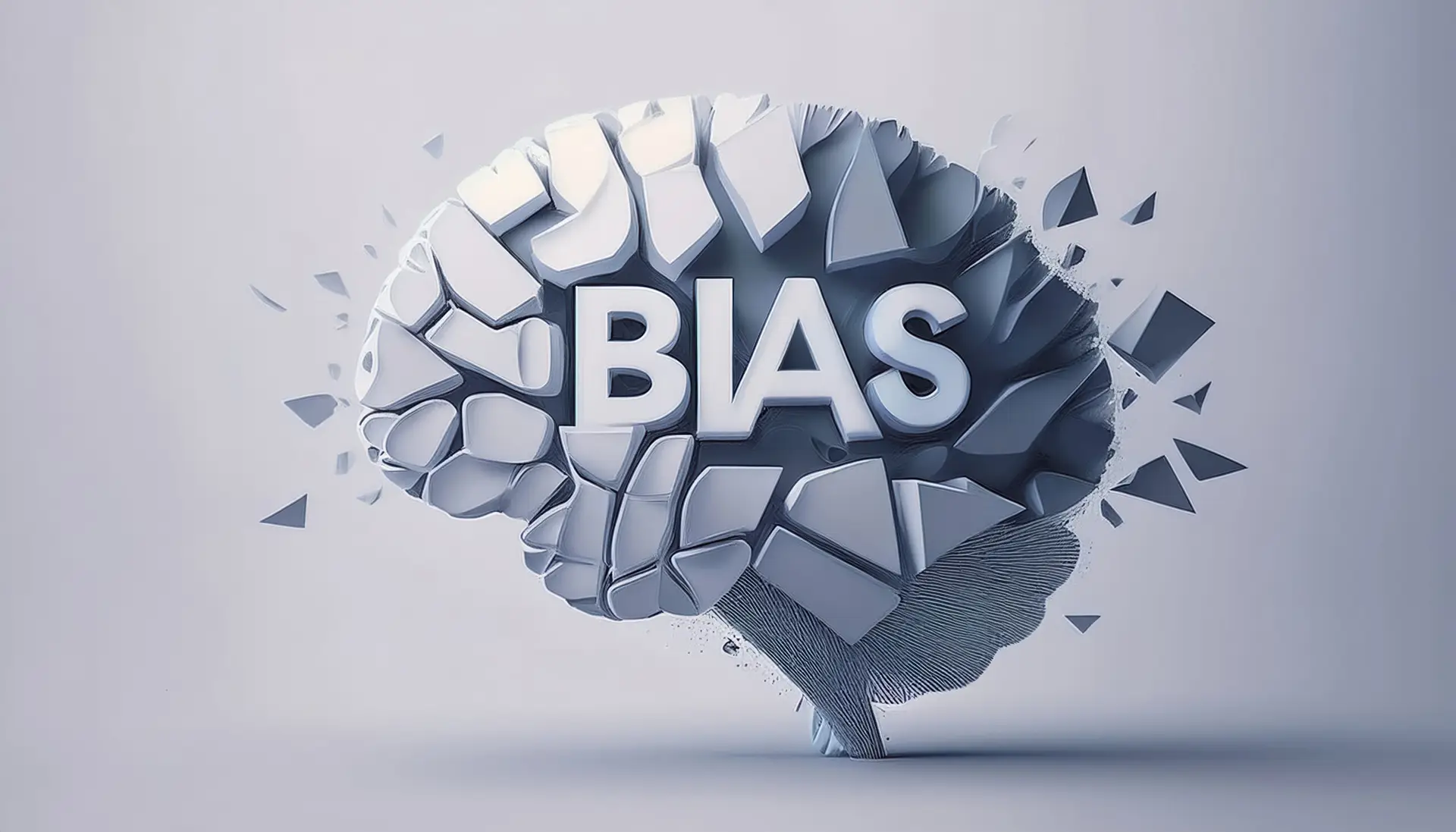
It failed because of something far more insidious: confirmation bias.
Our brains, brilliant as they are, come with built-in shortcuts that quietly distort judgment. In settlement negotiations, confirmation bias is one of the most dangerous.
Seeing Only What We Want to See
Confirmation bias is our tendency to seek out, interpret, and remember information that confirms what we already believe—while discounting or ignoring information that doesn’t.
In mediation, I see it constantly.
Attorneys cherry-pick favorable case law while glossing over binding precedent that cuts the other way. Plaintiffs focus on their strongest claims and mentally minimize obvious vulnerabilities. Defense counsel does the same in reverse, convinced liability is illusory despite warning signs emerging in discovery.
What makes confirmation bias so dangerous is that it doesn’t feel like bias. It feels like careful analysis.
A Familiar Example
In one employment discrimination case, plaintiff’s counsel was convinced they had a “slam dunk.” Their confidence centered on three inflammatory emails sent by the plaintiff’s supervisor. Those emails became the backbone of the case—and the justification for a $750,000 demand.
What they discounted entirely were three inconvenient facts:
- The company had legitimate, well-documented performance issues involving the plaintiff.
- The supervisor had sent similarly aggressive emails to employees across demographics.
- The plaintiff’s own emails acknowledged performance deficiencies.
Plaintiff’s counsel wasn’t being dishonest. They genuinely couldn’t see past their initial theory of the case. Their brain had already decided the story—and everything else was filtered through that conclusion.
How Confirmation Bias Derails Settlement
Once a party becomes locked into a narrative, settlement becomes harder—not because the case lacks value, but because new information stops being processed objectively.
Risk assessment becomes distorted.
Weaknesses are reframed as trivial.
Strengths are amplified beyond reason.
The result? Settlement positions that feel “principled” but are untethered from reality.
Counterstrategies That Actually Work
The goal isn’t to eliminate confirmation bias—that’s impossible. The goal is to design around it.
Play devil’s advocate aggressively.
Before mediation, ask yourself: If I had to argue the other side’s case, what would I say? Better yet, formally assign someone on your team to argue against your position.
Red-team your case.
Have someone unfamiliar with the matter review your materials and identify weaknesses. Fresh eyes see what proximity obscures.
Write a weaknesses memo.
Force yourself to list every meaningful vulnerability in your case. Be honest. If you can’t identify at least five, you’re not looking hard enough.
Probe rather than attack.
In mediation, ask questions like: “Help me understand why you’re so confident about X.” Often, you’ll discover they haven’t seriously considered Y or Z—and once identified, those blind spots can be addressed constructively.
Confirmation bias doesn’t disappear just because you’re smart or experienced. It thrives precisely because you are.
In part two of this series, I’ll examine a bias that causes parties to reject objectively reasonable settlement offers—simply because of who made them.
***
Randy Leff is a mediator and settlement counsel specializing in Trust and Estates disputes. For more insights on negotiation strategy, visit LeffMediation.com.